
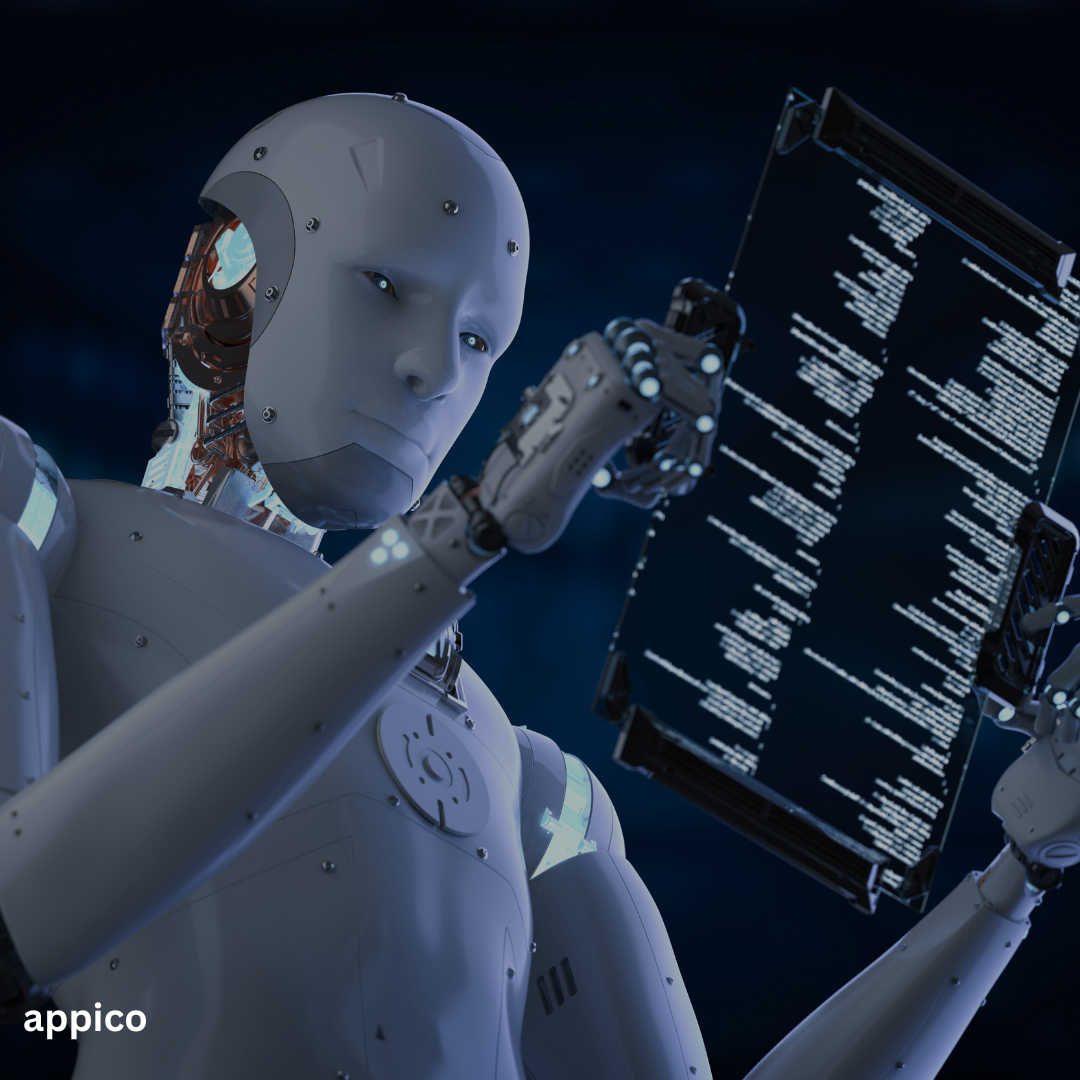
Artificial Intelligence (AI) is no longer a futuristic concept—it’s the driving force behind transformative changes across industries. As we navigate through 2025, AI’s integration into IT operations is reshaping how businesses operate, innovate, and compete. From enhancing decision-making processes to automating routine tasks, AI’s influence is pervasive and growing.
1. The Surge of AI Adoption in Enterprises
The corporate world is witnessing an unprecedented embrace of AI technologies. According to recent statistics, 78% of companies have integrated AI into at least one business function, marking a significant increase from previous years . This widespread adoption underscores AI’s role in driving efficiency and innovation.(Hostinger)
Moreover, the AI industry itself is experiencing explosive growth. Valued at approximately $391 billion, the market is projected to quintuple over the next five years, expanding at a compound annual growth rate (CAGR) of 35.9% . This rapid expansion reflects the increasing reliance on AI solutions across various sectors.(Exploding Topics)
2. Advancements in AI Efficiency and Accessibility
One of the most notable trends in 2025 is the significant improvement in AI efficiency and accessibility. The cost of AI inference—executing trained models—has plummeted, making advanced AI capabilities more accessible to businesses of all sizes. For instance, the inference cost for systems performing at the level of GPT-3.5 dropped over 280-fold between November 2022 and October 2024 .(hai.stanford.edu)
This reduction in cost is complemented by advancements in hardware and algorithms, leading to a 30% annual decline in hardware costs and a 40% yearly improvement in energy efficiency. Such developments are democratizing AI, enabling even small enterprises to leverage powerful AI tools without prohibitive expenses.(hai.stanford.edu)
3. The Rise of Agentic AI and Autonomous Systems
Agentic AI—systems capable of autonomous decision-making and action—is becoming increasingly prevalent. These AI agents can perform complex tasks without human intervention, streamlining operations and enhancing productivity. In the workplace, AI agents are now capable of conversing with customers, processing payments, detecting fraud, and managing shipping logistics .(McKinsey & Company)
The integration of agentic AI into business processes is not only improving efficiency but also allowing human workers to focus on more strategic and creative tasks, thereby augmenting overall organizational performance.
4. AI’s Impact on the Workforce
While AI offers numerous benefits, it also poses challenges, particularly concerning employment. Experts predict that AI could replace up to 50% of entry-level white-collar jobs within the next five years . This potential displacement underscores the need for proactive workforce development and reskilling initiatives.(Axios)
Conversely, AI is also creating new job opportunities. By the end of 2025, approximately 97 million people are expected to work in the AI space . This dual impact highlights the importance of adapting to the evolving job landscape shaped by AI advancements.(Exploding Topics)
5. AI in Cybersecurity and Risk Management
As cyber threats become more sophisticated, AI is playing a crucial role in enhancing cybersecurity measures. AI-driven security systems are improving threat detection, automating responses, and bolstering cyber resilience. These systems analyze vast amounts of data to identify anomalies and potential breaches in real-time, enabling swift and effective countermeasures .(arXiv)
The integration of AI into cybersecurity frameworks is not only mitigating risks but also ensuring compliance with regulatory standards, thereby safeguarding organizational assets and reputation.
6. Environmental Considerations of AI Deployment
The rapid expansion of AI technologies raises concerns about environmental sustainability. Training large AI models requires substantial computational resources, leading to significant energy consumption and carbon emissions. For example, the training of Google’s Gemini 1.0 Ultra model incurred costs of approximately $192 million, reflecting the intensive resource demands of such endeavors .(ft.com, IEEE Spectrum)
Addressing these environmental impacts necessitates the development of more energy-efficient AI models and the adoption of sustainable practices in AI deployment. Efforts to improve hardware efficiency and optimize algorithms are critical steps toward reducing the carbon footprint of AI technologies.
Key AI Trends in 2025: A Summary
| Trend | Description |
|---|---|
| Widespread AI Adoption | 78% of companies have integrated AI into at least one business function. |
| Market Growth | AI industry valued at $391 billion, projected to grow 5x over five years. |
| Cost Efficiency | Inference costs for AI models have significantly decreased, enhancing accessibility. |
| Agentic AI | Autonomous AI systems are performing complex tasks without human intervention. |
| Workforce Transformation | AI is both displacing and creating jobs, necessitating workforce adaptation. |
| Enhanced Cybersecurity | AI-driven systems are improving threat detection and response capabilities. |
| Environmental Impact | High energy consumption of AI models is prompting a push for more sustainable practices. |
Embracing the AI-Driven Future
The integration of AI into IT operations is not a fleeting trend but a fundamental shift in how businesses function. Embracing AI’s capabilities can lead to enhanced efficiency, innovation, and competitiveness. However, it also requires addressing challenges related to employment, cybersecurity, and environmental sustainability.
At Appico, we specialize in developing custom software solutions that harness the power of AI to streamline operations and drive business growth. Our expertise in mobile app development, web platforms, and automation tools positions us to help your business navigate the AI revolution effectively.
Ready to transform your business with AI? Contact us today to explore tailored solutions that align with your goals.