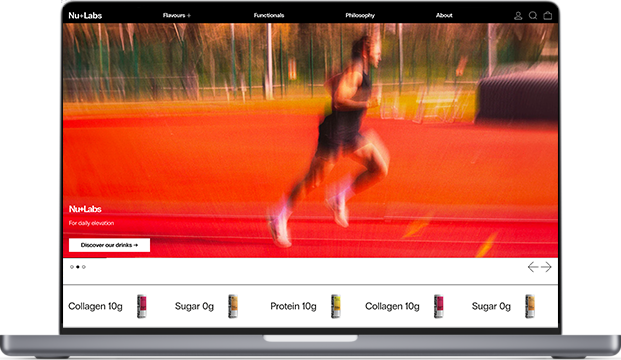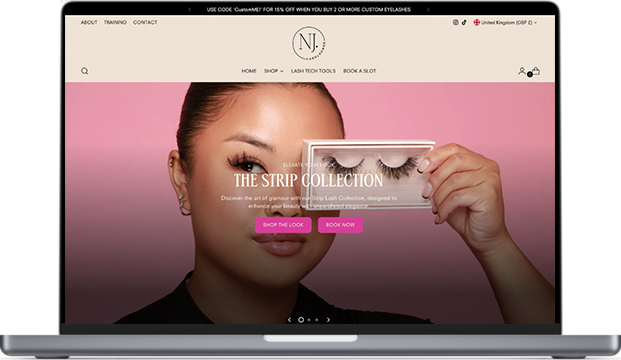
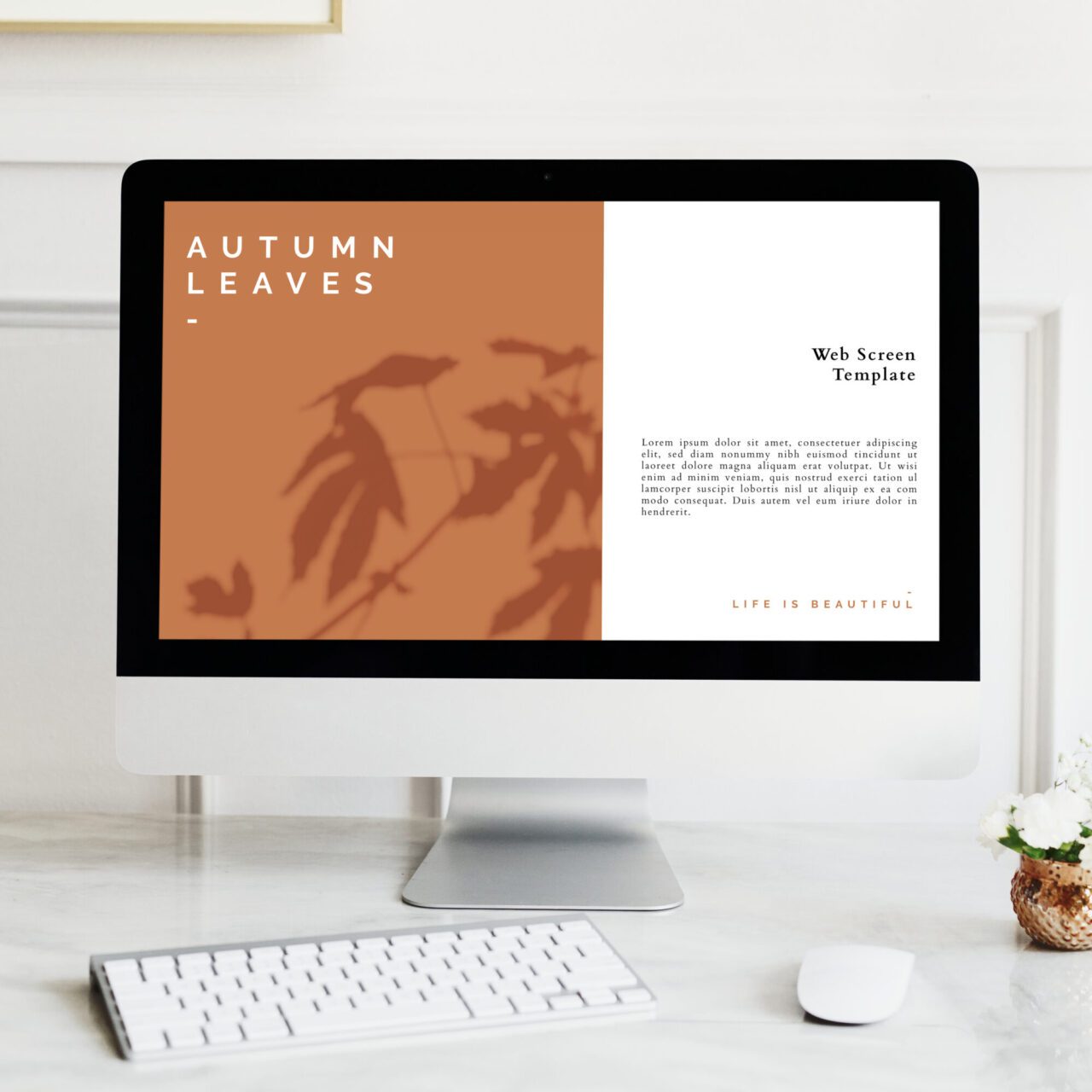
A good website is more than just a digital presence—it’s the product of purposeful design, clear messaging, and exceptional usability. When done right, it establishes credibility and drives engagement. Here’s your guide to what separates a great website from the rest.
1. Define Purpose & Audience
Effective websites begin with crystal‑clear objectives: are you selling, educating, or generating leads? Start by identifying your primary audience and map out clear user journeys. This focus helps visitors achieve their goals—and signals relevance to search engines (Gravital Agency).
2. User Experience & Usability Mastery
A top‑performing site puts usability first. Following Nielsen’s heuristics, ensure visible system status, intuitive language, error prevention, consistency, and recoverability. Design never sacrifices clarity—even when delivering complex content—via chunking, progressive disclosure, and strong visual hierarchy (WIRED).
3. Responsive Design & Accessibility
Whether on desktop or mobile, your site must adapt seamlessly. Modern responsive design goes beyond fluid grids to consider touch interfaces, lazy loading, and mobile‑first approaches (WIRED). And accessibility shouldn’t be optional: conformance with WCAG principles ensures inclusivity for diverse users.
4. Visual Trust & Brand Consistency
Trust begins at first glance. A consistent palette, clean typography, balanced layout, and polished visuals communicate professionalism. Avoid clutter—prioritize quality over quantity in portfolios or imagery (architecturaldigest.com).
5. Content Quality & EEAT Foundations
A truly great website showcases experience, expertise, authoritativeness, and trustworthiness—Google’s E‑E‑A‑T framework. Demonstrate real‑world insights, cite reputable sources, maintain transparent author bios, and secure quality backlinks. People‑first content is better content—create articles visitors will bookmark or share because they offer genuine value (Google for Developers).
6. Speed, Security & Reliability
Page load times and reliable hosting build trust. Prioritize fast performance with optimized images, caching, CDNs, and SSL encryption. A dependable hosting infrastructure and clear backup strategy safeguard uptime and user confidence (TechRadar).
7. Clear Navigation & Effective CTAs
Sitemap and menus should be logical, simple, and accessible. Guide visitors through multiple paths to conversion—with concise labels and strategic social proof near calls‑to‑action (forgeandsmith.com). CTAs should be purposeful, visible, and persuasive.
Summary Table
| Core Element | Why It Matters | Best Practice Summary |
|---|---|---|
| Purpose & Audience | Ensures relevance & conversion | Define goals and target journeys |
| Usability & Clarity | Builds satisfaction and trust | Follow UX heuristics, offer clear messaging |
| Responsive & Accessible | Reaches all users across devices | Mobile-first, WCAG compliance |
| Brand Consistency | Enhances credibility and retention | Cohesive visuals and minimal clutter |
| EEAT-aligned Content | Improves trust and search authority | Expert-authored, transparent, well-sourced |
| Speed & Security | Boosts performance metrics and user confidence | Fast loading, HTTPS, reliable infrastructure |
| Navigation & CTAs | Guides visitors toward action | Simple structure, clear labels, conversion-focused CTAs |
Final Thoughts
A high‑quality website is not accidental—it’s the result of strategic planning, thoughtful design, and expert content. When your site balances usability, performance, and trust—backed by strong EEAT values—it becomes a powerful business asset.
Curious about how Appico can help you build such a site? Explore our custom web development and digital transformation solutions and let us optimize your online presence with purposeful design and measurable results.
Have questions or want to get started? Drop us a message—let’s elevate your digital footprint together.